

Something is very different this time around. I am not sure if it is the official numbers that now support the fact that I am unhealthy or that I have little people that rely on my well-being. Either way, something is different.
The initial approach will be the most challenging part of this transition process. I have to overcome and realign many bad habits, form new healthy habits, and adjust my way of thinking when it comes to: food, exercise, sleep, and health. I am fortunate enough to have the knowledge and in some cases, experience, that well help me achieve these goals. I have been healthy and fit before, so I have an extra motivator there. Regardless, I need to devise an initial approach plan. This approach will focus on the two founding pillars of my transition, food and exercise.
FOOD
The initial approach, as I make it today, will be similar to the indefinite approach. In other words, the food I consume now will be similar in quality to the food I will continue to eat. I am not taking a crash diet, I am not dropping all carbs, I am not cutting a large type of (healthy) food from my diet.
THE UNDERLYING IDEA BEHIND THIS TRANSITION IS SUSTAINABILITY.
I am not setting an end goal. This is a transition into a new lifestyle, their is no end goal. Sure, I will initially set a goal weight because I need to lose weight and I will continue to set other small goals from there. But in no way do these serve as end points. By ingraining this in my head now, when I hit the 200 pound mark I will not falter in the way I am doing things like I have done in the past. A complete lifestyle transition. You may be asking yourself, "Without changing your diet and food intake, how do you plan on losing any weight?" Part of the initial transition is a complete overhaul of what and how I eat. I will lose weight as a result of the new me eating quality food in healthy portions.
The food and meal plan will be determined by the following principles:
Maintain an increased metabolism.
Maintain a calorie intake that maintains health.
Increase the quality of food.
Enjoy the food.
The plan is to eat 6 small meals a day. During the transition period I will be keeping a detailed log of when and what I eat, as well as how the meal effects my energy levels. After the transition period, my diet will be habitual and the food logs will become less important. The initial meal plan looks something like this:
PRE-MEAL | Kickstart the Metabolism | 6:30-7:00am
Drink 24 ounces of water on my commute to work. I have found this gets my body going in the morning and is a healthy alternative to juice or a cappuccino.
MEAL 1 | Morning Fuel-up | 7:00am
Eat a small breakfast and a cup of black coffee, e.g. Oatmeal and fruit or Turkey bacon, egg beaters, and onions. The coffee offers a little boost.
MEAL 2 | Mid-Morning Boost | 9:00-9:30am
Finish 32 ounces of water before 9 and eat a small snack, e.g. fruit and nuts.
MEAL 3 | Lunch | 11:00-11:30am
Eat lunch, a small meal that was prepared before hand, e.g. broccoli, fish, and rice.
MEAL 4 | Commuter Fuel | 2:00-3:00pm
Finish 32 ounces of water before 2 and eat a small snack to energize me for my commute home.
MEAL 5 | Dinner | 5:00-6:00pm
Prepare a healthy meal and eat no more than was eaten in MEAL 3.
MEAL 6 | Evening Kick | 7:00-9:00pm
A healthy snack, e.g. yogurt, fruit.
2. Maintain a calorie intake that maintains health.
The idea behind this principle is sustainable adjustability. As I reach my first goal of losing weight, my caloric intake will most likely shift. When my exercise regiment increases to 5 heavy workouts a week, my caloric intake will increase. The important thing to maintain through these intake adjustments is the quality of the fuel. By identifying the quality foods that will provide optimal fuel for my body in the transition period, they will become a part of my everyday life. On the flip side of that, the low quality crap food will become so unappealing to me that I won't even consider consuming them.
3. Increase the quality of food.
My previous self believed in many myths that surround healthy eating.
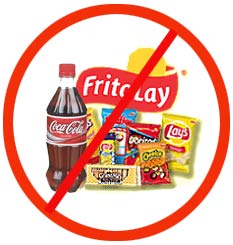
Nothing tastes good, the food is too expensive, preparation is very inconvenient.
The reality, quality food can taste good, be inexpensive, and require minimal preparation. In the past, my problem wasn't that I necessarily believed these myths, but the fact that I enjoyed the unhealthy food too much. There has to be a desire for healthy food. That is where this transition comes in. I will be forming positive, healthy habits around the consumption of quality food.
4. Enjoy the food.
In a previous post I mentioned that,
I need to remove the emotional component from eating. Food has to be viewed as an energy resource and not an emotion pleaser.To clarify, I do not want to be eating food or deciding what food to eat to solely fulfill an emotional need. The decision on what and when food will be consumed should not be driven by emotion. This doesn't mean I should not enjoy the food that I am eating. I think too many diets have people eating things that they will not be able to sustain for long simply because they do not enjoy the food. So, principle 4 and 3 work closely in that I need to find the balance of food that I can enjoy, food of high quality that will sustain the test of time.
EXERCISE
My initial approach to exercise will be similar to that of food, with an underlying idea of sustainability. The first 12-16 weeks will serve as the transition period. The amount of exercise will be considered the base line for my sustainable level of exercise. This means, my physical activity should never be any less than what I practiced in the transition. Without an end goal, the possibilities are wide open. The amount of exercise could become progressive as time passes.
The Transition Period:
It is very challenging to get back into working out 3 days a week when you have been out of the game for so long. In my case, my life is so completely different from the last time exercise was part of my routine. I did not own a home, I did not have children, I did not have a full-time career, and I had a lot more freedom. My approach will involve baby steps to slowly increase my desire and interest to work out.
I turned to my wife when I first started devising my approach to exercise. My biggest issue was with time. She suggested I work out everytime she gives our daughter a bath, This was a great idea. My daughter gets baths every other night, the bath time lasts from 20-40 minutes, and I am free from distractions.
I will be working out in the family room with assistance from the Xbox Kinect and the Biggest Loser - Ultimate Workout game. This particular game offers light, moderate, and heavy workout plans. These plans are catered to a 12 week weight lose program. It also takes a video log after each work out so that I can track my visible progress. Working out in the home also minimizes the need for workout clothes, I prefer to work out in my boxers.
I purchased P90X in the past but figured it would be too much for the transition period. Once the transition period is done and my first goal of weight lose is met I guarantee I will be feeling up for the challenge.

No comments:
Post a Comment